


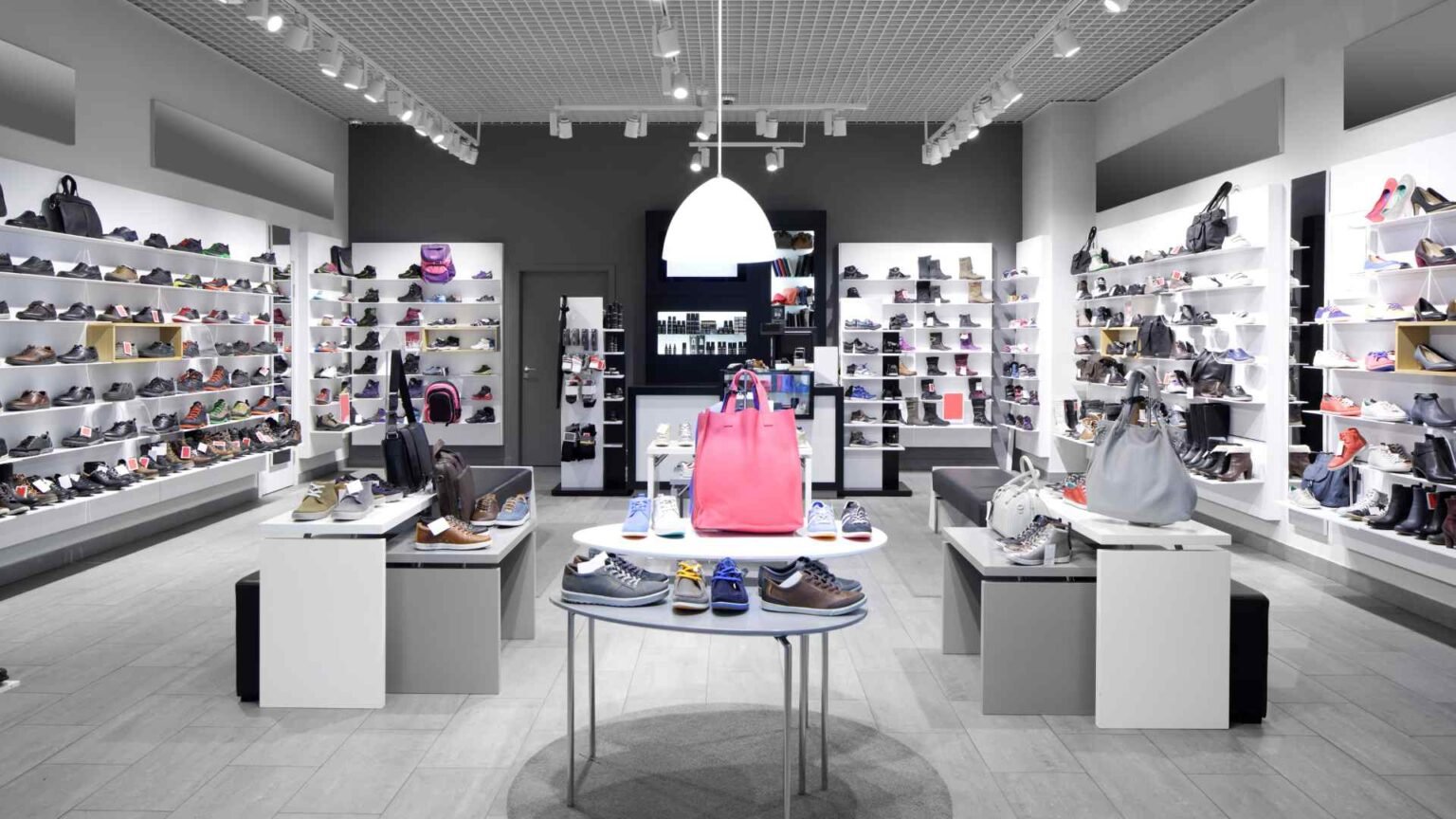

In an era where mass-produced goods dominate the market, a quiet revolution is taking place. Artisan boutique stores, specializing in handmade products, are not just surviving—they are thriving. These stores are redefining the retail landscape by offering unique, high-quality items that tell a story, while also empowering local artisans and fostering sustainable lifestyles.
The Rise of Artisan Boutique Stores
The past decade has seen a significant shift in consumer preferences. People are increasingly drawn to products that are unique, ethically made, and environmentally sustainable. This shift has given rise to artisan boutique stores—small, curated retail spaces that showcase handmade goods created by local artisans. These stores go beyond mere transactions; they create a connection between consumers and the creators, offering products that carry a sense of history, craftsmanship, and authenticity.
For example, Shop Makers, a Canadian movement with 19 locations across the country, has generated over $33 million in sales for more than 1,000 artisans. This success story highlights the growing demand for handmade goods and the role of boutique stores in connecting artisans with customers.
Why Handmade Goods Appeal to Consumers
Handmade goods have a unique appeal that mass-produced items cannot replicate. Each piece is a reflection of the artisan’s skill, creativity, and passion, making it truly one-of-a-kind. Consumers are increasingly valuing these qualities, as well as the stories behind the products. Whether it’s a handwoven basket, a ceramic mug, or a piece of jewelry, handmade goods offer a personal touch that resonates with buyers.
Moreover, handmade products often align with ethical and sustainable values. Many artisans use locally sourced, recycled, or upcycled materials, reducing their environmental footprint. Stores like Ten Thousand Villages, a nonprofit retailer, emphasize fair trade practices, ensuring artisans receive fair wages and work in safe, sustainable conditions. This ethical approach resonates with consumers who want their purchases to make a positive impact.
Empowering Artisans and Local Economies
Artisan boutique stores are more than just retail spaces; they are engines of economic empowerment. By providing a platform for local artisans to sell their products, these stores help sustain traditional crafts and support small-scale entrepreneurs. For instance, Shop Makers allows artisans to earn 100% of their sales, with no cuts or commissions, directly benefiting the creators. This model supports individual artisans and strengthens local economies by keeping money circulating within communities.
Additionally, many boutique stores go beyond sales to offer mentorship and resources. The Nooks, a Vancouver-based store specializing in Canadian handmade items, runs the nookSTART business course to help new artisans succeed. This focus on nurturing small businesses ensures that the artisan community continues to grow and thrive.
Case Studies: Artisan Boutiques in Action
Several artisan boutique stores have successfully integrated handmade goods into their business models, creating thriving lifestyle businesses. Here are a few notable examples:
- Shop Makers (Canada): With locations across Canada, Shop Makers connects communities with local and handmade products. The store’s one-of-a-kind retail experience has helped generate millions in sales for artisans, proving that there is a strong market for handmade goods.
- Verve Culture (Online): This online retailer (Verve Culture) focuses on artisanal, purposeful, and authentic products. From tortilla presses made in Mexico to Thai cooking kits from an organic farm in Bangkok, Verve Culture’s offerings highlight the cultural significance of handmade goods. By shopping here, customers help keep traditional artisan traditions alive.
- The Nooks (Vancouver): This boutique specializes in Canadian handmade items, including candles, jewelry, pottery, and skincare products. Beyond selling these goods, The Nooks supports artisans through mentorship and business courses, ensuring their long-term success.
The Role of Online Platforms
While physical stores remain important, the digital age has opened new opportunities for artisan businesses. Online platforms dedicated to handmade goods have made it easier for artisans to reach a global audience. Websites like Verve Culture and others curate collections of unique, handcrafted items, allowing consumers to shop for ethical and sustainable products from anywhere.
This shift to online retail has been a game-changer, especially for small artisans who may not have the resources to open a physical store. It also allows consumers to discover a wider variety of handmade goods, from traditional crafts to modern designs, all while supporting small-scale producers.
Challenges and Opportunities
Despite their growing popularity, artisan boutique stores face challenges. One major hurdle is competing with mass-produced goods, which are often cheaper and more widely available. However, handmade goods have a distinct advantage: their quality, uniqueness, and ethical production. As consumers become more conscious of their purchasing decisions, the demand for sustainable and ethically made products continues to grow, presenting a significant opportunity for artisan businesses.
Another challenge is the need for continuous innovation. Artisans must balance tradition with modern tastes, creating products that appeal to contemporary consumers while staying true to their craft. Boutique stores play a crucial role here by helping artisans adapt and grow, ensuring their businesses remain relevant.
The Future of Artisan Boutique Stores
Artisan boutique stores are more than just a trend—they are a reflection of changing consumer values. As people increasingly seek out meaningful, sustainable, and unique products, these stores are well-positioned to thrive. By supporting local artisans, preserving traditional crafts, and offering ethical alternatives to mass-produced goods, artisan boutiques are driving a new wave of lifestyle businesses.
The success of stores like Shop Makers, Ten Thousand Villages, and The Nooks demonstrates that handmade goods are not just a niche market but a growing force in the retail industry. As this movement continues to gain momentum, it will undoubtedly shape the future of how we shop, create, and connect with the products we love.



